General event-spending guidelines
General rules of thumb help teams contextualise trends and plan for uncertainty. These guidelines are widely used for reference, not as advice or promises of outcomes.
Treating all spending as uniform leads to error. Segmenting by event and region produces meaningful, actionable insights for every team.
Start a conversation
Circumstances change—new economic events, policies, or local disruptions occur. Keeping accounts and analytics organised ensures each change is properly reflected in reports and insights. Comparing different methods, such as event-driven segmentation versus basic trend tracking, highlights why structured analytics matter. Options typically include static monthly reviews, rolling event-based models, or blended dashboards. Choose the option that best aligns with the scale and frequency of events affecting your organisation. The right structure improves clarity, compliance, and readiness for unexpected changes.

Ask for help
0%
0%
Many systems miss the nuances of Australian economic events. Ours applies structured planning and review—each scenario is assessed for likely event-driven effects, with dashboards calibrated to avoid overfitting or missed signals. Scenario planning helps users prepare for uncertainty with relevant, well-contextualized data.
How we work
0%
Spotting spending trends during economic events requires more than visual tools. Our analytics highlight evidence-led trends, separating background fluctuations from event-driven changes. Case studies illustrate how organisations use these findings to inform decisions and public communications.
Read analysis
0%
Privacy cannot be an afterthought in event-spending analytics. The platform’s approach embeds privacy and security at every layer. No personal data is processed without consent, and all reports are designed to be compliant with Australian law and best practices. Review privacy and security principles anytime.
View securityTransitioning from traditional spending analysis to AI-driven, event-focused methods requires a structured approach. First, relying on raw transaction data alone misses critical context—seasonality, concurrent events, or policy changes. The correct method involves integrating multiple data sources, segmenting by event and demographic, and applying models that account for both background trends and event-specific patterns. Before making operational changes or recommendations, check that analytics outputs have been reviewed by Sleonnelalnuilaislyt experts. Also, validate findings against historical baselines and confirm that privacy and security standards are met. Only then can the data support sound, defensible decision making.
General rules of thumb help teams contextualise trends and plan for uncertainty. These guidelines are widely used for reference, not as advice or promises of outcomes.
Common errors occur when teams treat economic events as static or overlook the local context. The blog analyses cases and methods, offering practical guidance for reliable, defensible event-spending analytics.
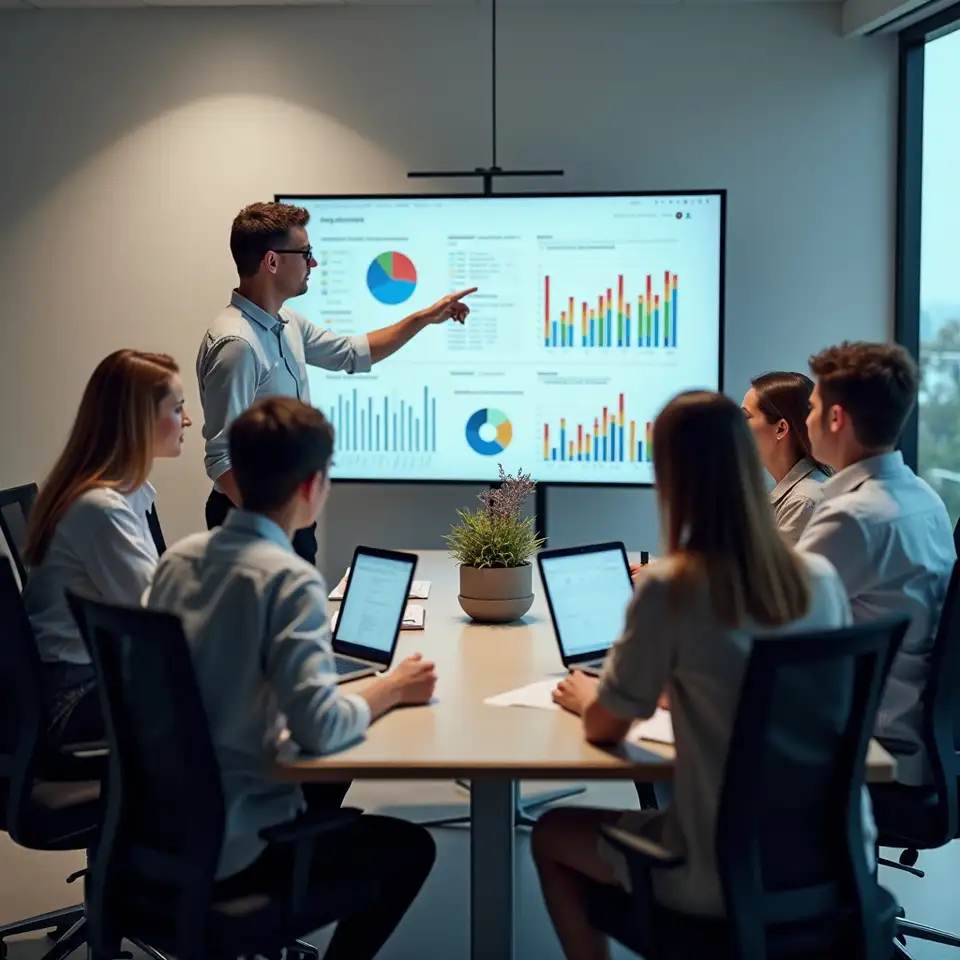
Seeing all relevant accounts and spending types in a single dashboard supports robust, actionable planning. Combining account views makes it easier to clarify the impact of economic events on actual behaviour.
Reliable event-spending analytics start with scoping the event and data requirements. First, clarify what economic event or policy shift is under review. Gather at least twelve months of baseline data across relevant accounts and spending categories. Use AI models to control for seasonality, unrelated fluctuations, and concurrent external events. Test outputs for robustness by comparing with previous event periods and segmenting by region or demographic. Once the process is established, produce clear, annotated dashboards. Review with technical and non-technical stakeholders before making recommendations. Update analytics workflows as new events or regulations emerge.
The information on this site is for educational and analytical purposes only and does not constitute financial, legal, or professional advice. All examples are hypothetical unless otherwise stated. No guarantee of outcomes is provided. Results may vary.
Process and review essentials